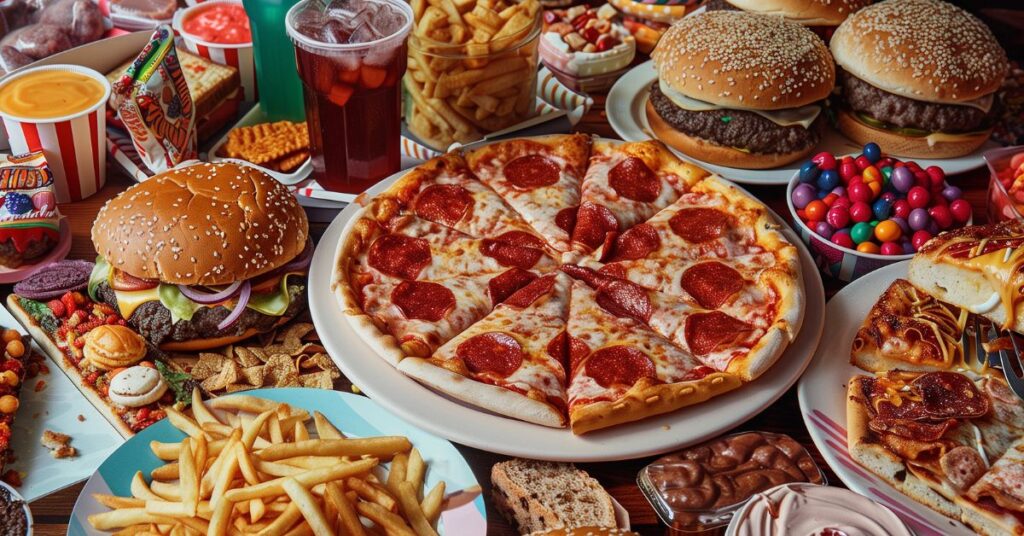
CAP recently released updated guidance for advertisers regarding the Less Healthy Foods legislation (consultation on this guidance closed March 18th). The direction of travel is clear: regulations are likely to be significantly tighter than anticipated when the Labour government confirmed its intentions in September 2024 – with major implications for how advertisers plan and execute brand messaging.
Brand Messaging Under Greater Scrutiny
Opportunities and loopholes for brand messaging look more limited than initially expected. Even creatives that don’t directly feature an LHF product may still be subject to an ‘average UK consumer’ test to determine eligibility.
With variables like prominence and context set to be considered, industry bodies like the Advertising Association, ISBA and IAB have provided useful guidance on what is and isn’t likely to be in scope. But the language is very much still ‘likely’, ‘maybe’, ‘unlikely’ – leaving plenty open to interpretation.
Beyond Public Health: Broader Economic Concerns
While the primary aim for this legislation is to reduce childhood obesity in the UK, concerns are growing about its wider economic impact. On stage at the LEAD 2025 conference, ITV’s Kelly Williams cited the lack of evidence linking HFSS advertising to childhood obesity over the last 10 years.
If passed in its current form, the legislation could impact sales more broadly – not just among children. Sales of unhealthy foods to young people will be hit (that is, after all, the idea), but less ad exposures for adults would inevitably impact sales of LHF products more broadly too.
A blanket ban on digital advertising could put entire digital media teams at risk within LHF brands. So too the digital teams within their agencies. Less LHF ad money will make its way to online publishers. Potentially less ad money for TV broadcasters, meaning less investment in programming, production companies and creative industries; a sector already under pressure from global Streamers’ encroachment.
Legislation Outlook: A Changing Tone?
The government struck a firm tone in September 2024. But as October ’25 booking deadlines appear on the horizon – and early 2025 economic indicators prove less favourable – there is growing speculation that the Chancellor will consider these arguments more closely.
Sir Chris Bryant, Minister of State for Media, Tourism, and Creative Industries, has emphasised the need for a balanced approach, stating that the government is seeking a “sensible solution” that considers both public health concerns and the interests of the advertising industry.
The Actions You Can Take
For advertisers, scenario planning now is key. Hope for the best, but plan for the worst (and everywhere in between). As demand may shift to unaffected channels like radio and OOH, early planning will be essential to secure high-quality inventory.
And, as in any period of transition, advertisers must double down on measurement. Understanding how channel effectiveness evolves – and ensuring every pound invested works as hard as possible – will be key to navigating this change with confidence.
At Ebiquity, we’re working closely with clients to assess risk, model media mix adjustments, and prepare. Get in touch to find out how we can support your planning.
Related Content – HFSS Advertising Ban