The role and impact of political advertising distributed on social media platforms has been a hot topic both sides of the Atlantic for several years now. From the Obama elections in 2008 and 2012 to the more controversial Trump election in 2016, from the EU Referendum and the subsequent scandal that engulfed Cambridge Analytica, political ads on social make news. And the owners of social media platforms are starting to regulate which individuals and organisations can say what, with their help.
In October – shortly after the announcement of the date of the U.K. General Election – Twitter CEO Jack Dorsey announced in a detailed thread that the platform he founded would no longer be carrying political advertising. “We believe a political message should be earned, not bought.” He went on: “A political message earns reach when people decide to follow an account or retweet. Paying for reach removes that decision, forcing highly optimized and targeted political messages on people. We believe this decision should not be compromised by money.” You can read his full thread here.
Dorsey’s move followed a similar blanket ban from TikTok a few weeks before. At the time, Blake Chandlee, TikTok’s VP of Global Business Solutions, justified the move by saying: “Any paid ads that come into the community need to fit the standards for our platform, and the nature of paid political ads is not something we believe fits the TikTok platform experience.” Google has put in place some measures that affect political advertising – including restrictions on targeting and sharing reporting information about political ads – while Facebook has no plans to limit political advertising. Facebook and Facebook-owned Instagram have been well-used by political parties, individuals, and pressure groups throughout the 2019 U.K. General Election, as has been widely reported.
The devil of self-regulation for political advertising is in the detail. Twitter’s unilateral move has made the U.K. a guinea pig, to help determine the impact and effectiveness of a self-imposed blanket ban. Twitter and TikTok’s moves – and to a lesser extent Google’s – means that some of the major platforms are now restricting the use of their properties as stealth tools to disseminate propaganda. That said, the fact that some and not others (including those with the biggest reach) are involved, means that politicians and voters are not operating on a level playing field. It all depends which platforms voters choose to use and read. And there are still plenty of options for smart advertising and targeting such as Google allowing age, gender and location.
Some have suggested that Twitter’s ban but Facebook’s open-door policy is all about the bottom line; for Twitter it wouldn’t make much of a difference, while for Facebook it potentially could. While I appreciate that line of argument, we need to reflect that political advertising is just a drop in the ocean of total digital ad spend, although still a sizeable drop. Research firm Kantar estimates political spending in the U.S in 2020 will be $6 billion, with 20% or $1.2 billion of that going to digital channels. Estimated total U.S digital spend for 2019 was $130 billion, as reported by eMarketer, so roughly, digital political ads could be 1% of total. Regulation and controls are to be welcomed. But the tech sector – and digital advertising in particular – moves at such a frantic pace, the common experience is that regulators can find it hard to keep up.
As political, media, and digital commentators pick over the bones of the U.K. General Election – not to mention the U.S. Presidential Election next year – it’ll be important to assess the impact of Twitter and TikTok’s bans, Google’s restrictions, and Facebook’s laissez-faire approach. Recent experience suggests that even a modest investment can pack a disproportionately powerful punch.
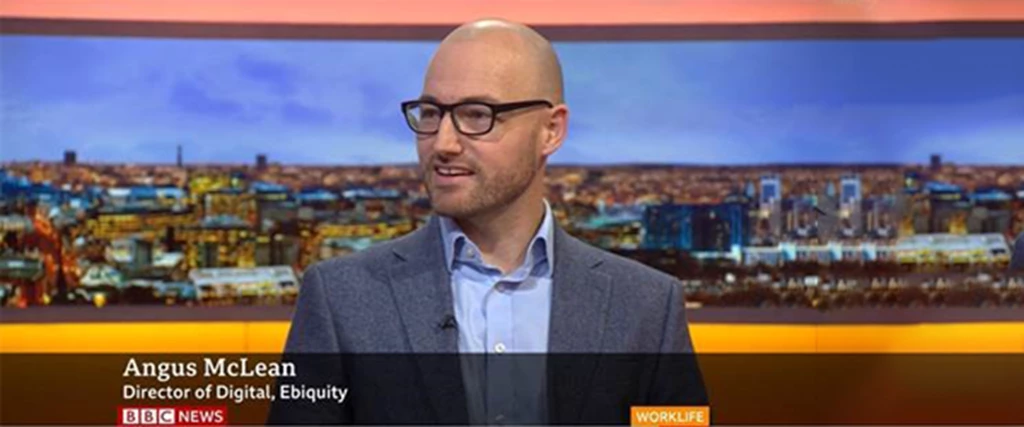
Last month, Angus McLean was the guest on Work Life and Talking Business on BBC News, discussing the role of social media platforms in spreading paid and earned political messages.